CBD Oil Side Effects in Cats: Complete Safety Guide (Vet Reviewed 2026)

CBD Oil Side Effects in Cats: Complete Safety Guide (Vet Reviewed 2026)

March 4, 2026
Dr. M. Ekeoma, DVM

Medically Reviewed by Dr. M. Ekeoma, DVM
Veterinary advisor to Cannanine. All medical claims in this article have been reviewed for accuracy.

CBD Oil Side Effects in Cats: Complete Safety Guide (Vet Reviewed 2026)

CBD oil has a good safety record in cats. But “generally safe” doesn’t mean side-effect-free, and cats have specific vulnerabilities — particularly around liver metabolism — that make product choice and dosing more important than it is for dogs.

This guide covers everything cat owners need to know: what side effects can happen, what the research actually shows, how to dose safely, and what is genuinely dangerous versus just temporarily uncomfortable.

Hemp Oil vs. CBD Oil for Cats: What Is the Difference?

The terms get used interchangeably online, but they are not the same product — and the distinction matters when you are evaluating safety and benefits.

  • Hemp seed oil is pressed from hemp seeds. It contains no CBD or other cannabinoids. It is a nutritional supplement rich in omega-3 and omega-6 fatty acids, similar to flaxseed oil. It has a different safety and benefit profile than CBD oil.
  • CBD oil (hemp oil with CBD) is extracted from the hemp plant’s flowers, leaves, and stalks. It contains cannabidiol (CBD) and may contain other cannabinoids and terpenes depending on whether it is broad-spectrum, full-spectrum, or isolate. This is the product most people mean when they ask about “hemp oil for cats.”

When you see “hemp oil side effects in cats,” the relevant safety data comes from CBD oil studies, not hemp seed oil. The side effects discussed below all refer to CBD-containing products.

Is CBD Oil Safe for Cats?

Yes — with important qualifications. CBD oil derived from hemp is safe for cats when it is formulated specifically for them and given at appropriate doses. The most rigorous safety study to date — a 2020 study published in the Journal of the American Veterinary Medical Association — evaluated CBD in cats at doses up to 2 mg/kg twice daily over 8 weeks. Conclusion: CBD was well-tolerated with no serious adverse effects at tested doses.

A 2023 pharmacokinetics study looked at escalating single doses of CBD in cats and confirmed the compound is absorbed and metabolized without serious adverse events, though some cats showed behavioral signs of mild discomfort (detailed below).

The critical qualifier is “formulated specifically for cats.” Human CBD products, dog CBD products, and anything containing essential oils are not safe for cats. Cats lack the liver enzyme (glucuronosyltransferase) needed to metabolize many compounds — including certain terpenes in essential oils — that are harmless to dogs and humans. Essential oil toxicity in cats can cause liver failure.

Is CBD FDA-Approved for Cats?

No. As of 2026, the FDA has not approved any CBD product for veterinary use. This means dosing guidelines, safety data, and efficacy claims come from independent research and anecdotal reports — not regulatory review. Consult your veterinarian before starting CBD, especially if your cat takes any medications.

Potential Benefits of CBD Oil for Cats

Research on CBD specifically in cats is still limited, but existing studies and a growing body of evidence from canine and human research suggest potential benefits in several areas:

  • Pain and inflammation — CBD interacts with the endocannabinoid system (ECS) receptors involved in pain signaling. A 2018 Cornell study in dogs with osteoarthritis found significant pain reduction and improved mobility. Cats have a similar ECS, and osteoarthritis is common in senior cats.
  • Anxiety and stress — CBD has anxiolytic properties observed in both animal and human studies. Cat owners report reduced stress responses during vet visits, travel, and loud events.
  • Nausea and appetite — CBD has antiemetic properties. Some cats with chronic nausea or appetite issues may benefit.
  • Seizure management — While the evidence in cats is primarily anecdotal, CBD’s anticonvulsant properties are well-established in other species. Discuss with your vet before using CBD for a cat with known seizure disorders.

None of these are guaranteed outcomes, and CBD should complement — not replace — veterinary care for any diagnosed condition.

Side Effects of CBD Oil in Cats

The following side effects are documented in research or widely reported by cat owners. Most are dose-dependent and resolve when the dose is reduced.

1. Sedation or Lethargy

The most commonly reported side effect. At doses above what a cat needs, CBD’s calming properties become sedating. Your cat may seem unusually sleepy, slow to respond, or uninterested in activities they normally enjoy.

What to do: Reduce the dose by 25-50%. Sedation from CBD is dose-dependent and reverses as the dose comes down. A cat that is appropriately relaxed but not lethargic is at the right dose.

2. Gastrointestinal Upset

Nausea, vomiting, or diarrhea can occur when CBD is introduced too quickly or given on an empty stomach. The carrier oil in CBD tinctures — typically MCT or hemp seed oil — is often the cause rather than the CBD itself. Both can irritate sensitive stomachs.

What to do: Always give CBD with a small amount of wet food. Start at the lowest possible dose and increase gradually over two weeks. If symptoms persist, try a product with a different carrier oil.

3. Head Shaking, Lip Smacking, and Hypersalivation After Dosing

The 2020 JAVMA safety study noted head shaking immediately after cats received CBD oil orally. The 2023 pharmacokinetics study additionally documented lip smacking and hypersalivation in some cats at higher doses. Researchers attributed these responses to the taste and texture of the oil rather than toxicity — they are reflexive reactions to something unfamiliar in the mouth.

What to do: Mix the dose into a small amount of wet food rather than administering directly to the mouth. These behaviors typically disappear once the cat is no longer tasting the oil directly.

4. Elevated Liver Enzymes

At higher doses over extended periods, CBD can cause elevated liver enzymes in cats. The 2020 safety study observed this at doses above 2 mg/kg twice daily. Liver enzyme elevation does not necessarily mean liver damage — it can reflect the liver metabolizing a new compound more actively — but it warrants monitoring.

What to do: If your cat is on long-term CBD supplementation (months or longer), ask your vet to include liver values in routine bloodwork. Keep doses within the weight-appropriate range. This is most relevant at high therapeutic doses, not typical wellness amounts.

5. Dry Mouth and Increased Thirst

CBD can temporarily reduce saliva production by interacting with receptors in salivary glands. Most cat owners do not notice this, but some cats drink slightly more water than usual after starting CBD. This is not harmful and typically resolves on its own.

6. Dizziness or Wobbliness (Ataxia)

At higher doses, some cats may appear unsteady or have difficulty maintaining balance. This is usually a sign of too much CBD — reduce the dose. If it persists or occurs at normal doses, contact your vet. Wobbliness can also be a sign of THC toxicity if a product contains more than the allowed 0.03% THC.

Can a Cat Overdose on CBD Oil?

Not in the lethal sense — CBD has an extremely wide safety margin. There is no documented lethal dose of CBD in cats. However, too much CBD produces exaggerated versions of the side effects above: prolonged sedation, vomiting, wobbliness, and low body temperature.

If your cat accidentally consumes a large amount of CBD oil, the likely outcome is an uncomfortable but not life-threatening 12-24 hours. Contact your vet for guidance and watch for severe symptoms including seizures or extreme difficulty breathing — those warrant emergency care.

THC toxicity is different. THC — the psychoactive compound in marijuana — IS toxic to cats and can be life-threatening at relatively low doses. Any product not explicitly hemp-derived and third-party tested for THC content carries real risk. Never give your cat human marijuana products, cannabis concentrates, or any untested product.

Drug Interactions: When to Be Cautious

CBD is metabolized by liver enzymes in the cytochrome P450 (CYP450) family — the same system that processes many pharmaceutical drugs. When CBD occupies these enzymes, it can slow how quickly other medications are cleared, potentially raising their concentration in the bloodstream beyond the intended level.

Discuss with your vet before adding CBD if your cat takes any of the following:

  • Phenobarbital (anticonvulsant) — CBD may increase phenobarbital blood levels, requiring dose monitoring
  • Prednisolone and corticosteroids — potential interaction via shared CYP450 metabolism
  • Heart medications — any cardiac drug warrants veterinary review before adding CBD
  • NSAIDs — generally lower interaction risk, but inform your vet regardless
  • Potassium bromide — sometimes used for feline seizures; interaction is possible

In most cases this is not a hard contraindication — it just requires awareness and possibly adjusted monitoring. Your vet should know every supplement your cat takes.

CBD Dosage for Cats: How Much Is Safe?

Dosing in cats is less established than in dogs because fewer studies exist. General guidelines based on available research:

Cat Weight Starting Dose Max Typical Dose
Under 5 lbs 0.5 mg 2 mg
5-10 lbs 1 mg 4 mg
10-15 lbs 2 mg 6 mg
Over 15 lbs 2-3 mg 8 mg

The 2020 safety study found elevated liver enzymes at doses above 2 mg/kg twice daily. For a 10 lb (4.5 kg) cat, that threshold is approximately 9 mg twice daily — far above what most cat owners use. Start low, go slow, and observe your cat’s response over two weeks before adjusting.

For a complete dosing guide by condition and weight, see our complete guide to CBD for cats.

Products to Avoid: What Is Not Safe for Cats

  • Products containing essential oils — peppermint, tea tree, eucalyptus, lavender, and many others are hepatotoxic to cats, even in small amounts
  • Dog CBD products — not formulated for feline metabolism; often higher concentration than cats need
  • Human CBD gummies or oils — may contain xylitol, artificial sweeteners, or flavorings toxic to cats
  • Full-spectrum products without third-party testing — you cannot verify THC content without a Certificate of Analysis (COA)
  • Amazon or unmarked brands — without a COA from an independent lab, you have no way to confirm what is actually in the product

Signs Your Cat Is Having a Bad Reaction

Stop CBD and contact your vet immediately if your cat shows:

  • Severe lethargy — unable to stand or walk normally
  • Continuous vomiting
  • Loss of coordination (stumbling, falling over)
  • Tremors or muscle twitching
  • Extremely low body temperature (cold to the touch, shivering)
  • Seizures
  • Difficulty breathing

Mild sedation and brief GI upset in the first few days are normal adjustment responses. The symptoms above are not normal and require veterinary attention.

How to Give CBD Oil to Cats (Tips That Actually Work)

Getting a cat to take any supplement is its own challenge. A few approaches that work:

  • Mix into wet food. The most reliable method. The food smell masks the oil flavor and avoids the head-shaking response from direct oral dosing.
  • Drop on the paw. Cats instinctively lick their paws clean. A small drop on the front paw is often consumed without resistance.
  • Start with a tiny amount. If your cat has never had CBD, start with less than the recommended dose for a few days before working up. This reduces GI upset.
  • Be consistent. Give CBD at the same time each day. Consistent dosing produces more consistent results than sporadic use.

Frequently Asked Questions

What are the side effects of hemp oil for cats?

The most common side effects of CBD hemp oil in cats are mild sedation, gastrointestinal upset (nausea or loose stools), head shaking and hypersalivation after direct oral dosing, and — at higher long-term doses — elevated liver enzymes. These are dose-dependent and typically resolve by reducing the dose or administering with food.

Is hemp oil different from CBD oil for cats?

Yes. Hemp seed oil contains no CBD and is primarily a nutritional product rich in omega fatty acids. CBD oil (sometimes called hemp oil with CBD) contains cannabidiol and other cannabinoids that interact with your cat’s endocannabinoid system. When people search for “hemp oil side effects in cats,” they typically mean CBD oil.

Is CBD oil safe for cats long term?

Based on current evidence, yes — at appropriate doses with products formulated for cats. The 2020 safety study found no serious adverse effects over 8 weeks. Long-term use beyond that has not been formally studied in cats, but anecdotal reports from thousands of owners suggest it is generally well-tolerated. Annual bloodwork including liver values is a reasonable precaution for cats on ongoing supplementation.

How much CBD oil is too much for a cat?

The 2020 safety study found elevated liver enzymes at doses above 2 mg/kg twice daily. For a typical 10 lb cat, that is approximately 9 mg twice daily — far above typical wellness doses of 1-4 mg. Stick to weight-appropriate amounts and increase gradually.

Can cats take CBD oil every day?

Yes, daily use is common and appears safe based on available research. Many cat owners give CBD daily for chronic conditions like arthritis or anxiety. Include liver monitoring in annual bloodwork if your cat is on long-term CBD.

Looking for a CBD oil formulated for cats?

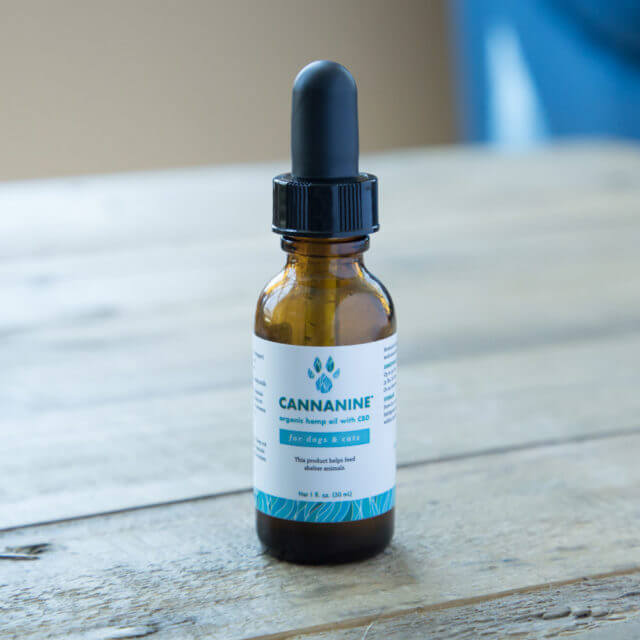
Cannanine’s cat formula is broad-spectrum, 0% THC, and third-party tested for purity. Made in the USA with no essential oils, no artificial additives, and no ingredients that are unsafe for feline metabolism.

Read our complete guide to CBD for cats →

These statements have not been evaluated by the Food and Drug Administration. This product is not intended to diagnose, treat, cure, or prevent any disease. The information on this website is not intended to replace a one-on-one relationship with a qualified healthcare professional.

Ready to Try CBD Oil for Your Cat?

Cannanine broad spectrum CBD oil is formulated for both dogs and cats. It’s third-party tested, THC-free, and free of additives that could harm your cat.

Start at the lowest dose, watch for any side effects for 1-2 weeks, and check in with your vet before adding CBD to your cat’s routine.