
Bacon Flavored CBD Gummies for Dogs
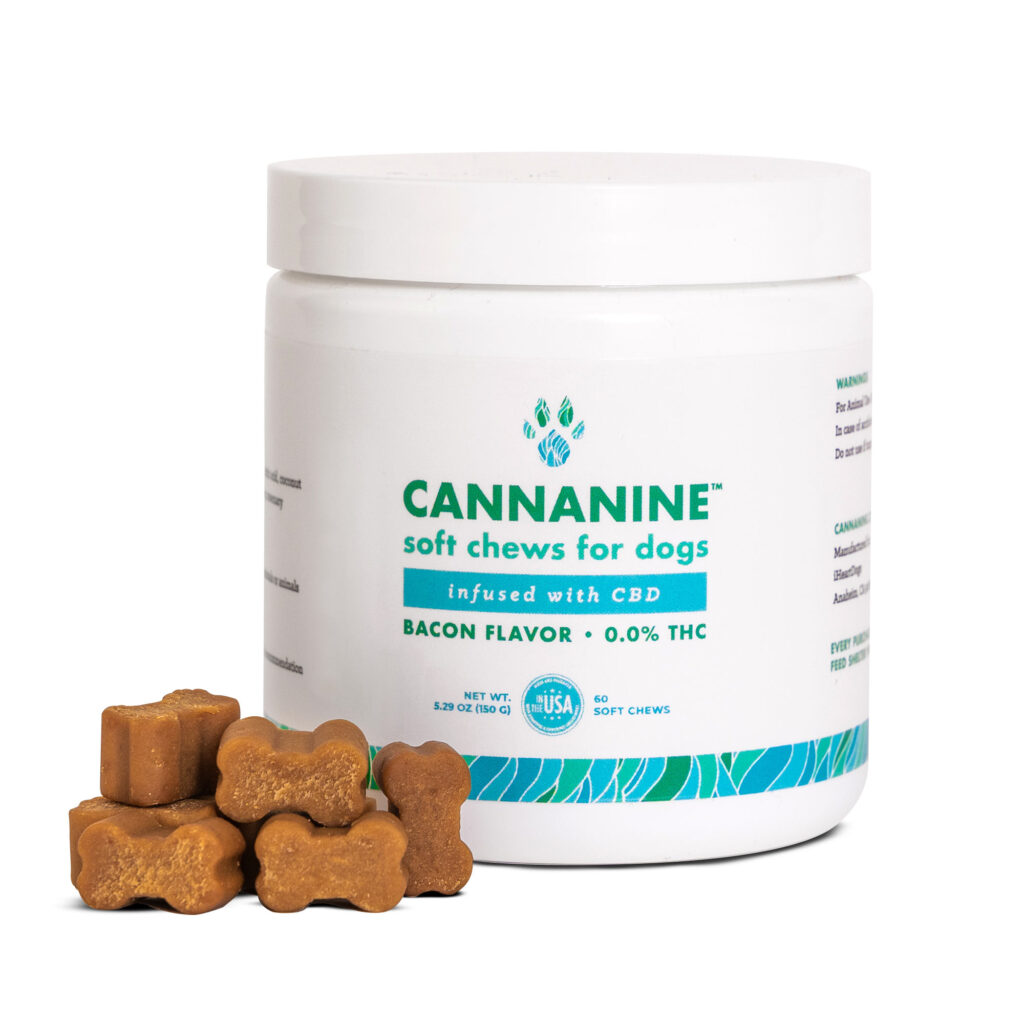
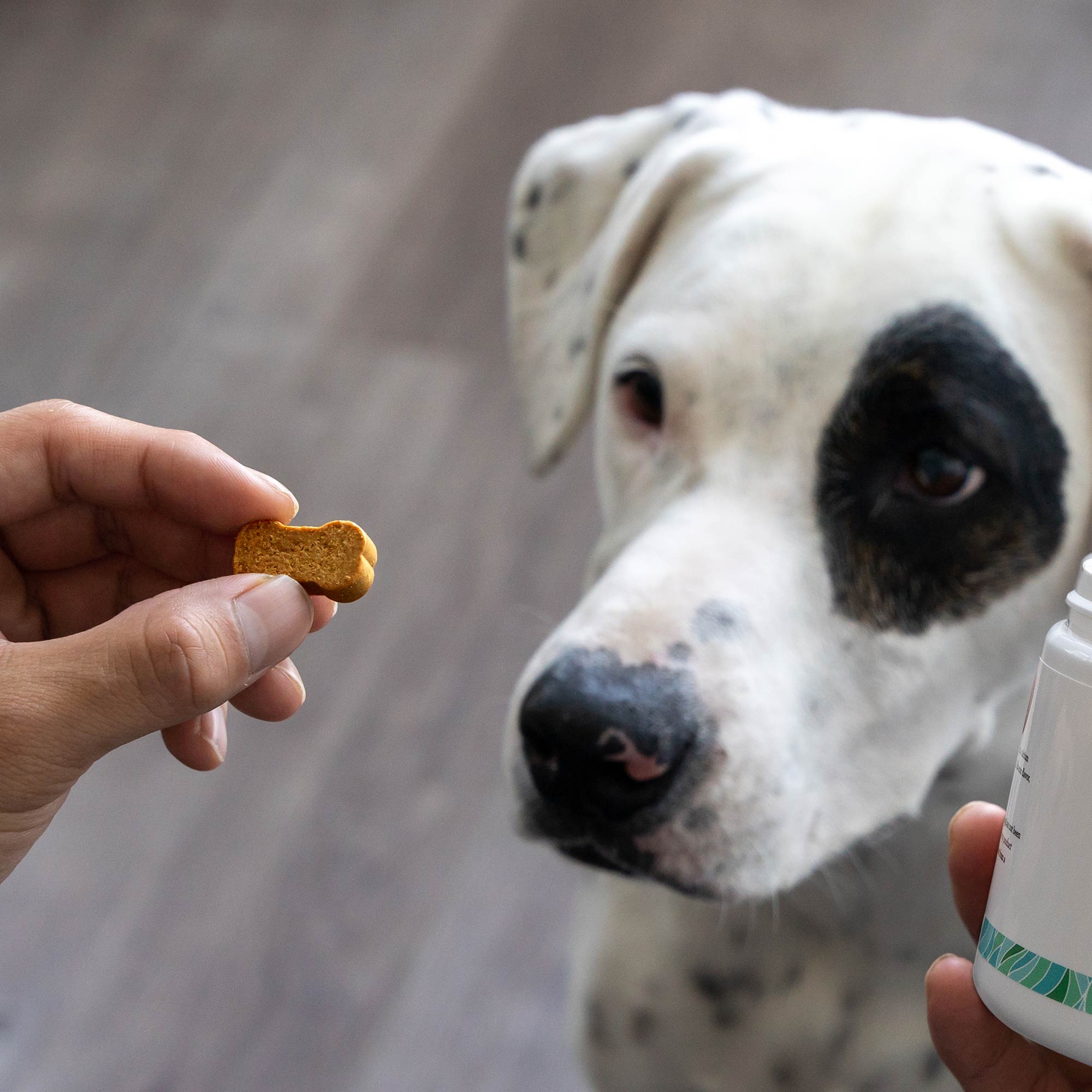
Tasty, gummy, bacon flavored relief for your pup! We work with the top labs in the world to make Cannanine the safest and most effective CBD gummy soft chew product for dogs on the market. Cannanine has given over 60,000 pets relief – plus, each and every purchase funds meals for shelter pets in need!











Great as an evening treat for my pup with anxiety!
Jared
How CBD Gummy Chews Can Help Your dog

CBD Gummies Can Provide Joint Pain Relief
Promotes reduced pain and inflammation in bad joints to improve mobility.

CBD Gummies Can Provide Anxiety Relief
Helps promote a sense of calm during stressful situations and general anxiety.
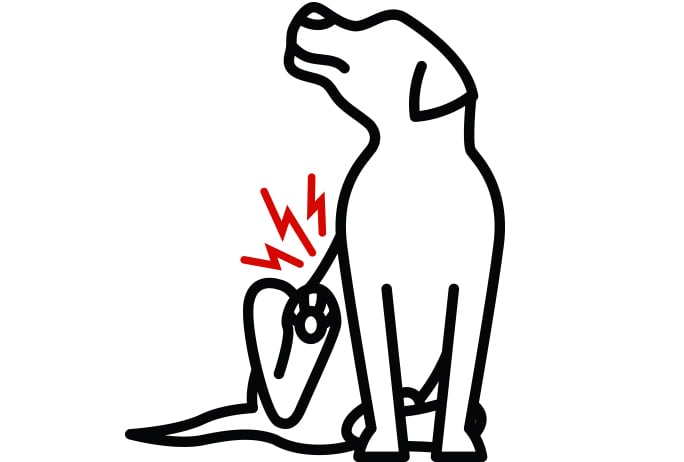
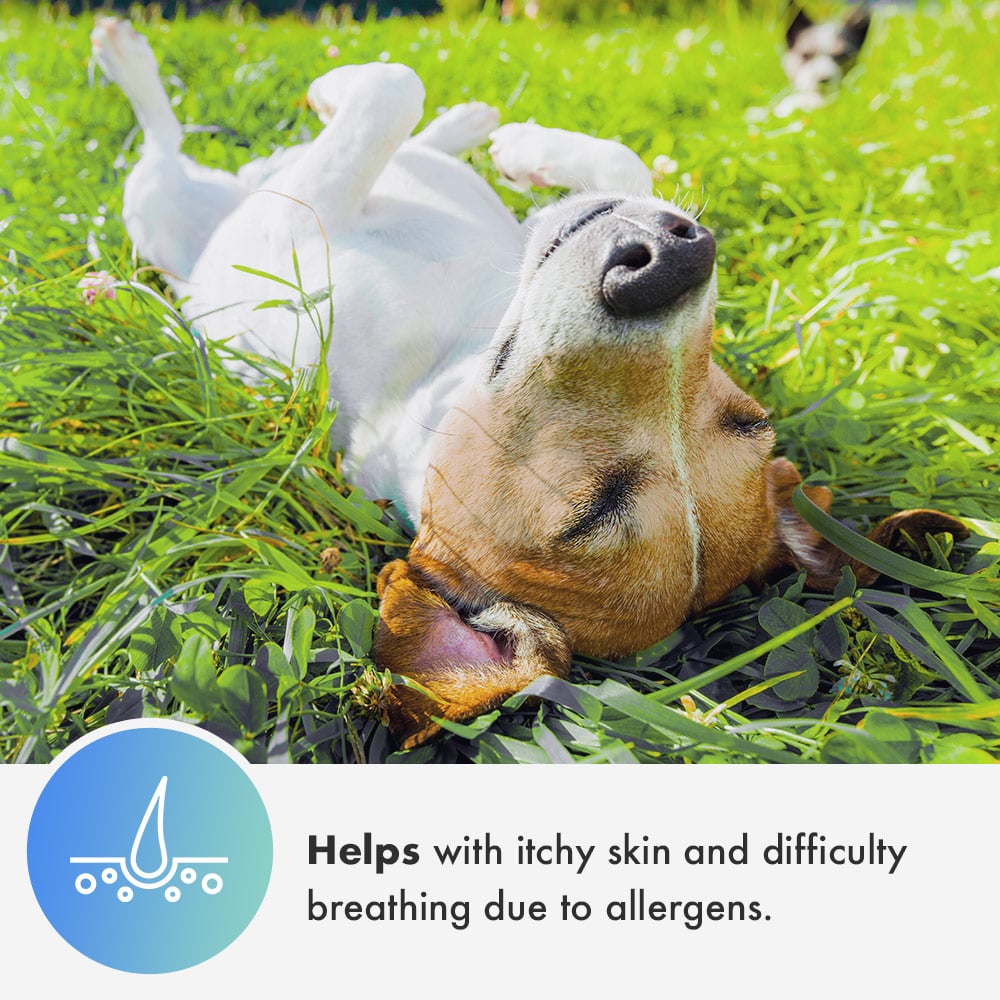
CBD Gummies for Allergy Relief
Promotes healthy skin & coat, and combats skin itchiness/inflammation due to allergies.

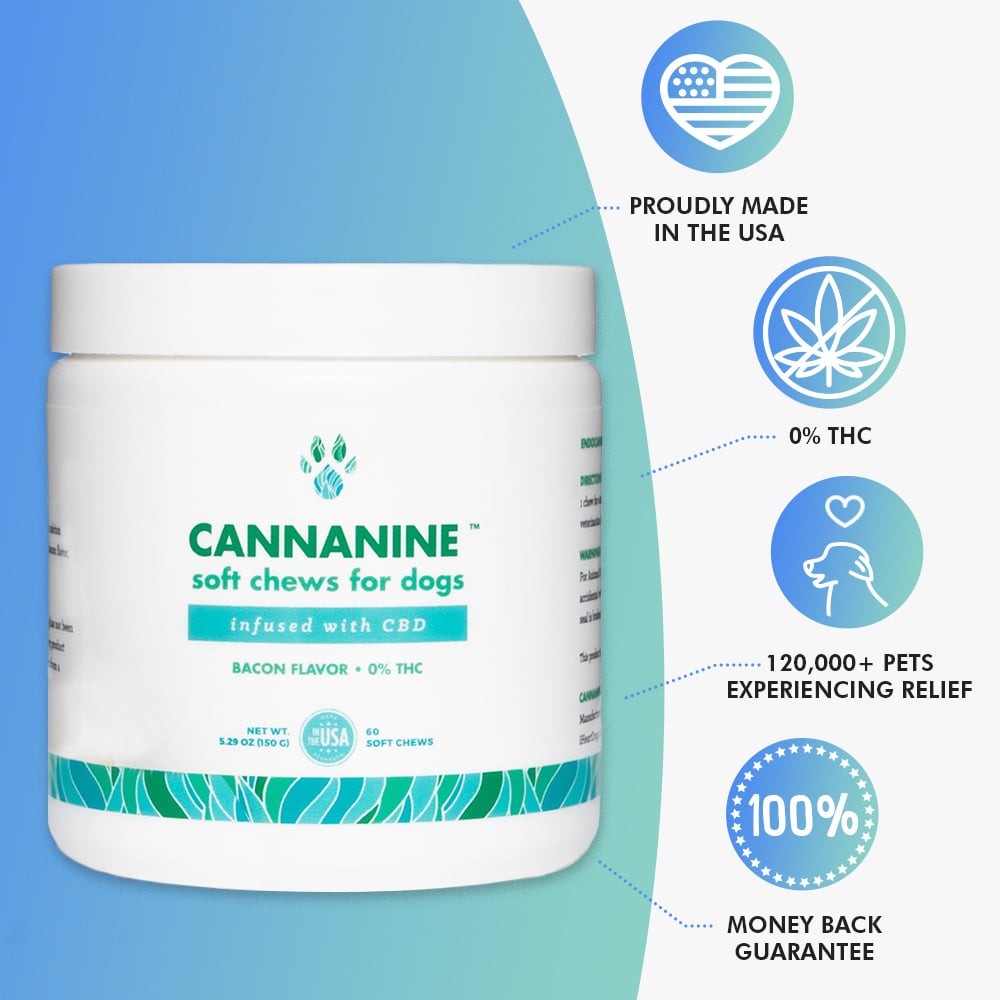
Made In USA

Proven Pure

Veteran Owned

100% Money Back Guarantee


Popular Resources On CBD Gummies For Dogs
All CBD Product Categories
Frequently Asked Questions About CBD Soft Chews For Dogs
Are CBD gummy chews safe for dogs?
In general, CBD is safe for animal consumption, however, since the FDA does not currently regulate CBD products for dogs, it can all depend on the producer of the CBD product. Many veterinarians concur that it may not be the best idea to give your pets larger and more intoxicating amounts of THC. For this reason, if the CBD oil or gummy chewable is purchased from a producer that does not strive to manufacture pure products, you may be feeding your dog impure CBD treats that can contain THC, chemical residues from pesticides, and other unwanted substances. This is why if you are looking for a CBD product for your pet to help mitigate the symptoms of anxiety, arthritis, epilepsy, or chronic pain, you may want to consider Cannanine. Cannanine creates CBD products that contain the highest levels of purity while being designed with the safety and wellbeing of your pet in mind.
How long does it take for CBD gummy chews to work for my dog?
To see the short-term benefits of a CBD chew on your pet, the amount of time it can take depends on the size of your dog and how much food they may have had prior. Just like any substance that is ingested, a CBD chew goes into the stomach of your pet and then is broken down by the digestive system. During the breakdown and digestive process, cannabinoids then are absorbed into the bloodstream. This is when the effects of CBD can then begin to be felt and applied to the animal. So again, depending on the amount of CBD consumed, the amount of food in your animal’s system, and the size of your dog, you can expect to see the effects of CBD consumption anywhere from five minutes to one hour. If you are using CBD chews to treat chronic pain or another more long-term condition, then it may take up to a week for the CBD to accumulate in your pet’s system. The long-term benefits of CBD consumption for animals are still being studied, however, some vets think that it can be particularly helpful in certain circumstances. Additionally, the benefits of CBD consumption during cancer treatment have seen some consistent reports of minimizing the adverse effects of chemotherapy and radiation treatment.
Can CBD gummy chews hurt my dog?
Generally, if the purity of the CBD chews is high, then there may be little or no risk of your dog experiencing any immediate and adverse effects. During clinical trials, the only thing that was found in the bloodwork of the dogs that was somewhat notable was that an increased presence of alkaline phosphatase was found in the blood of pets that were consuming CBD versus those that were not. Although the long-term effects of increased alkaline phosphatase in the livers of dogs have not been fully investigated, there are some indications that when the liver becomes damaged, it can potentially leak alkaline phosphatase into the bloodstream. This could potentially indicate liver disease or bone disorders.
Do CBD dog Gummy Chews help with joint pain and mobility?
CBD has been shown to have anti-inflammatory properties. These properties can work to help reduce inflammation in the body. When joint pain is present, it is typically a result of inflammation. Therefore, CBD products like CBD chews can help reduce the symptoms of chronic pain from osteoarthritis. Osteoarthritis can be prevalent in canines. It is estimated that nearly 25% of all dogs are diagnosed with osteoarthritis. Many researchers have concluded that a CBD regimen can potentially provide substantial pain relief and the reduction of inflammation in the joints.
Do CBD dog Gummy Chews help calm my anxious dog?
There are two main arguments as to whether or not CBD dog chews can help with anxiety in pets. First, if a dog experiences anxiety as a result of experiencing chronic pain, then the reduction of that pain through using CBD products may ultimately reduce anxiety. The other argument is that since CBD does not contain any psychoactive properties, it can not be used to treat a condition of the mind like anxiety.
CBD Gummy Chews dosage for dogs
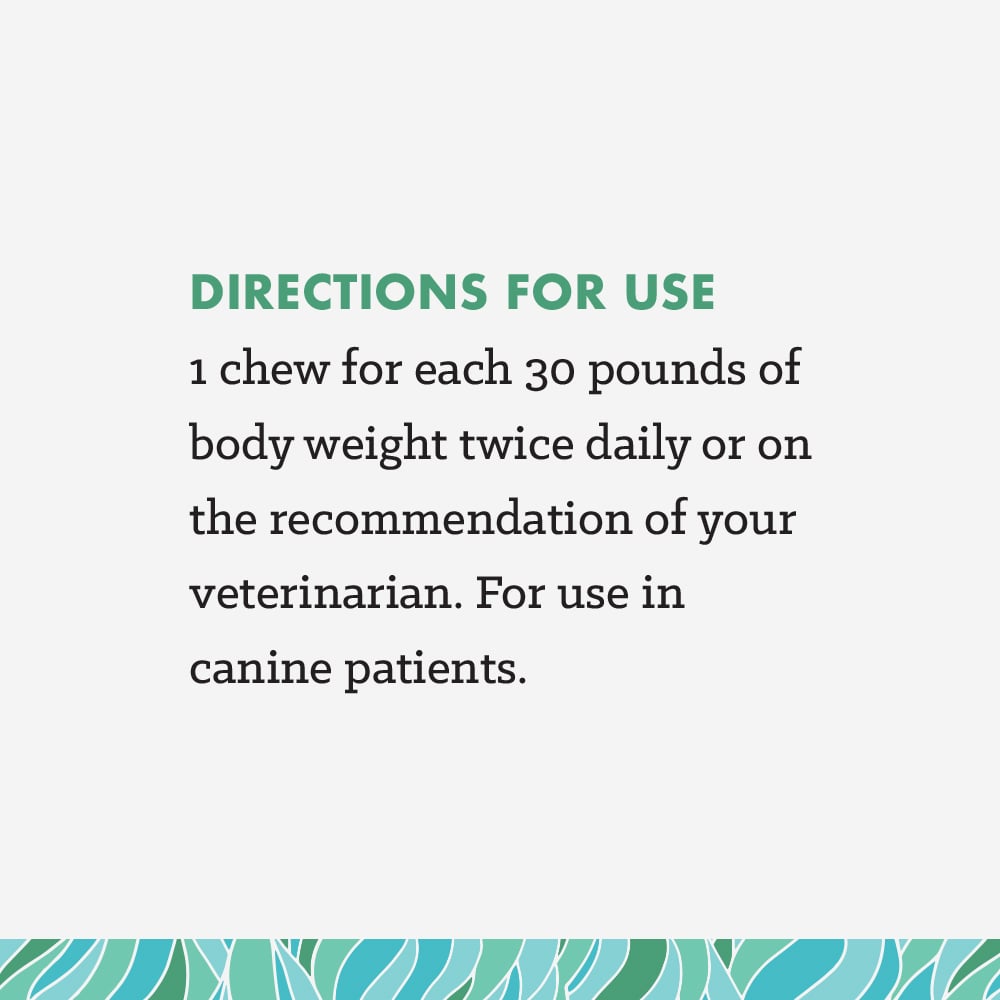
CBD dosage is different depending on the size of your animal and how their bodies respond to the consumption of CBD. For example, a larger canine may require a stronger dose. A dog with a higher metabolism may need more frequent but smaller doses. It is recommended that you start by selecting the correct dosage for your dog’s size. From there, only feed your dog one CBD chew per day for 30 days and pay attention to their reactions. If there is no effect, you may want to consider increasing the dosage or bumping up the number of chews to two or three per day. You can serve the chews after meals, after walks, or whenever it is convenient. You should pay attention to when your pet consumes the CBD chew and try to make it at a regular and consistent time during the day or evening.
What are Cannanine CBD dog chews made out of?
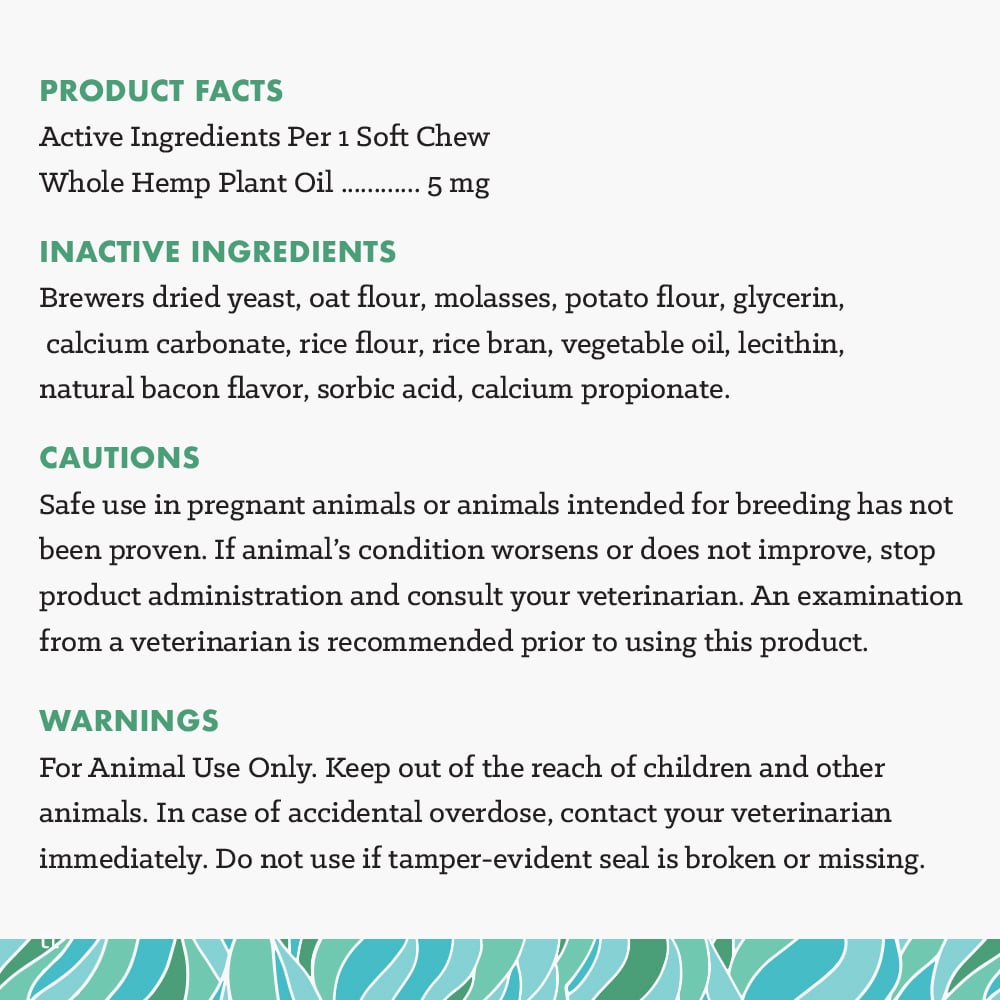
Cannanine’s CBD gummy chews have a different texture than typical human CBD gummy chews. The bacon flavored chews have a gummy texture, but with the approprate amount of chewiness for our canine friends. Our Cannanine CBD dog gummy chews are made from both CBD and hemp oil. They are manufactured with precision to ensure 0% THC in them. Here are some of the main features of Cannanine CBD Bacon Flavored Gummy Chews for Dogs.
- Contains no THC and will not make your dog “high.” Most other CBD oils contain trace amounts of THC, Cannanine chews contain absolutely zero.
5 mg. of CBD per soft chew - The bacon flavored CBD Chews for Dogs are made from Hemp and are legal in all 50 states.
- CBD Oil features a patented nano-sized microemulsion for maximum bioavailability and absorbability (4x smaller particles compared to Liposomal emulsion).
Manufactured in the USA. - Non-GMO full-spectrum, phytocannabinoid, and terpene rich hemp oil.
- Tested and found to be free of heavy metals, harmful bacteria, yeast, mold, and other toxins.
- Made from Human Grade ingredients.
The above mentioned reasons are why most pet owners that use CBD products for their dog, trust Cannanine and are satisfied with their purchase.
Are CBD gummy chews good for dogs?
Overall, CBD chews for dogs are good when your pet is experiencing chronic pain. The anti-inflammatory properties can help reduce inflammation in the joints which is often a major source of pain and/or discomfort for animals. Additionally, using CBD to mitigate the negative symptoms experienced when receiving treatment for many types of cancer, could also be considered good.
Is CBD oil or gummy chews better for dogs?
Both products can have good results for your pet. When CBD oil comes in the form of a chewable and tasty treat, your pet may be more likely to consume the product rather than taking an eye-dropper and feeding them CBD oil.
Sources:
preventivevet.com/dogs/what-to-know-if-you-want-to-give-your-dog-cbd-cannabidiol
popsci.com/story/reviews/best-cbd-dog-treats/
petmd.com/dog/general-health/cannabis-oil-dogs-everything-you-need-know
medlineplus.gov/lab-tests/alkaline-phosphatase/
